
Quick troubleshooting guide for common faults of snail horns
Source of articles:www.tembdq.com
Release time:2026/1/4 13:59:38
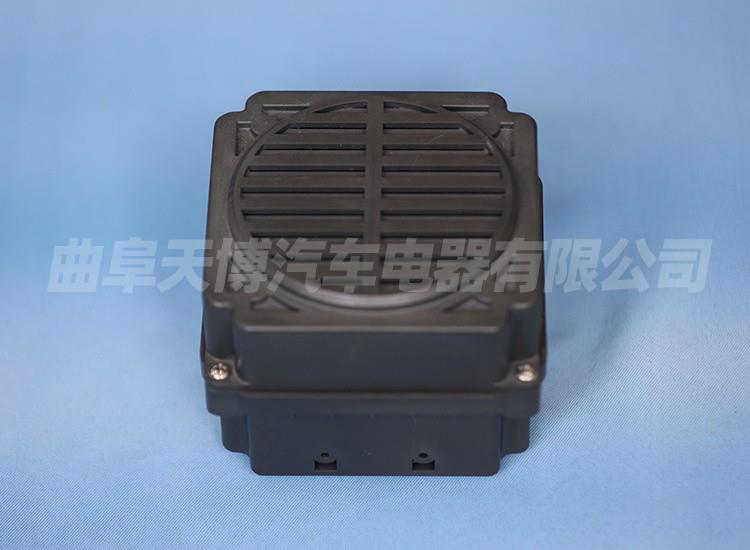
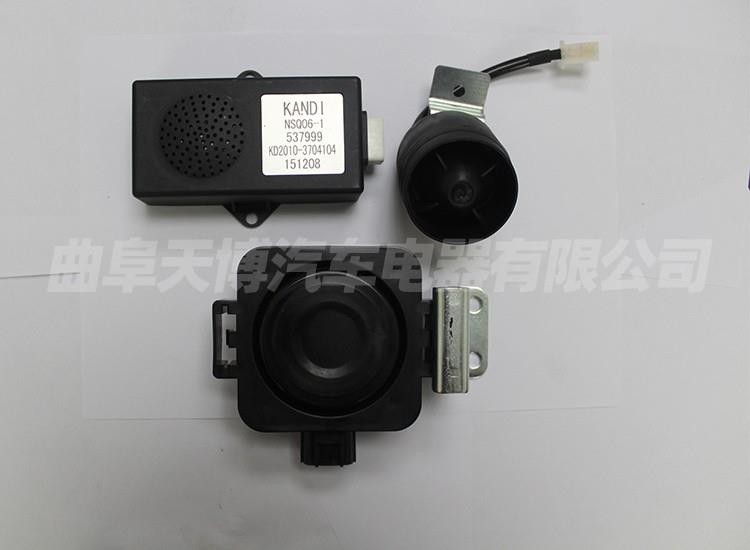
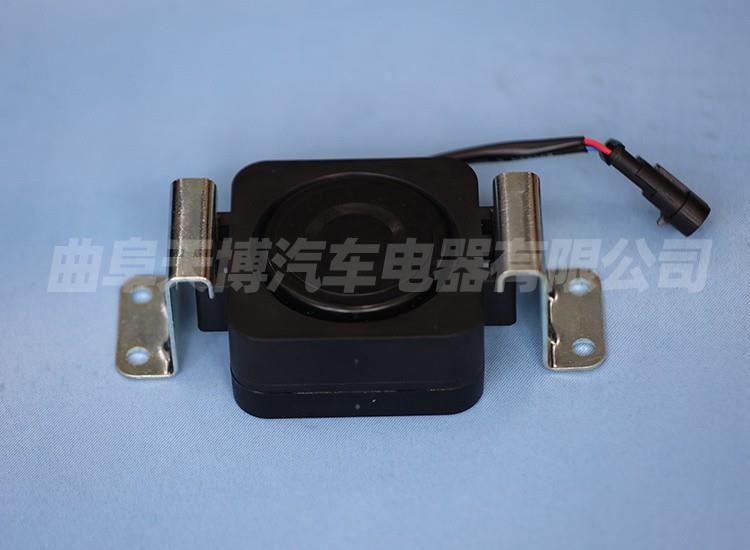
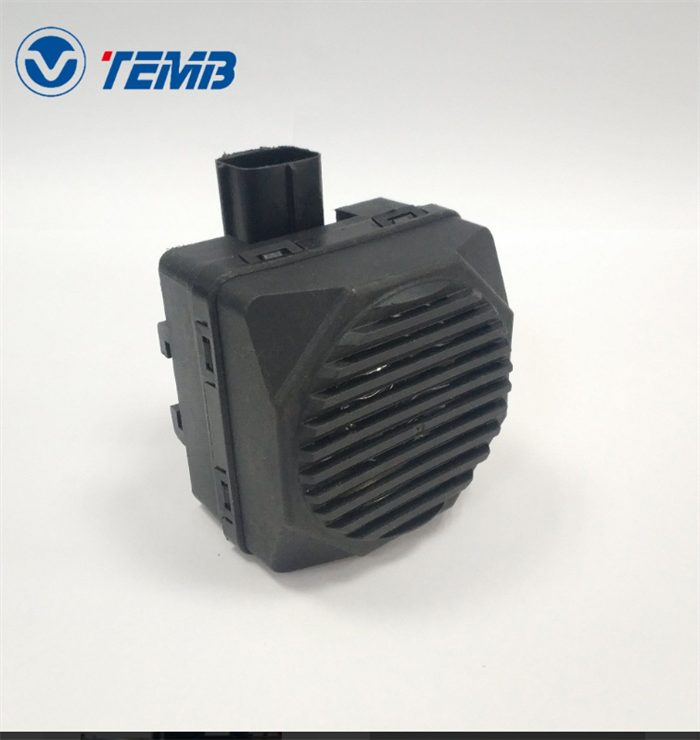
Speaking of snail horns, most people should not feel unfamiliar. As a commonly used device in cars, if there is a malfunction during use, it will have a significant impact on normal driving. Generally speaking, the common malfunctions of snail speakers during use include occasional silence, hoarse sound, and no sound at all. So, what are the reasons for these problems? How should we solve it? Regarding this series of questions, the editor from Tianbo Electric will briefly answer them for everyone.
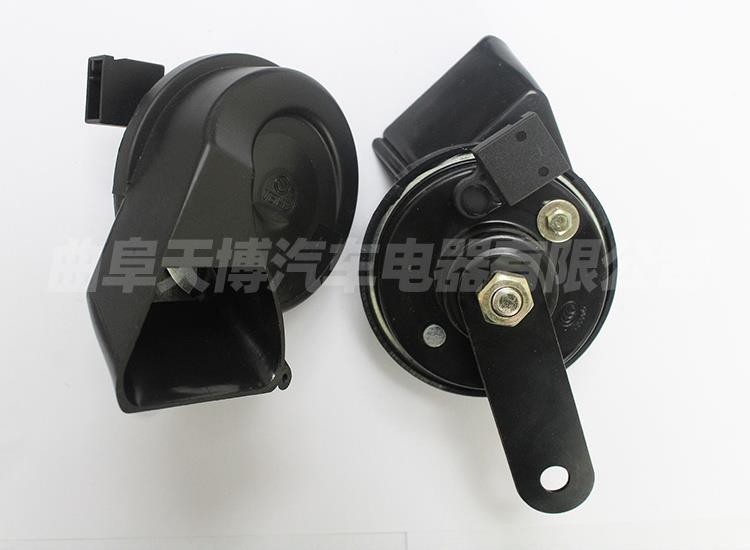
1、 The working principle of snail horn
When the horn button on the steering wheel or other positions is pressed, the current from the battery will flow through the circuit to the electromagnetic coil of the horn relay. The electromagnetic coil will attract the dynamic contact switch of the relay to close, and the current will flow to the horn. The current causes the electromagnet inside the horn to work, causing the diaphragm to vibrate and produce sound.
2、 Solution to common faults of snail horn
According to the manufacturer's past experience, in many malfunctions related to snail horns, the problem often occurs due to the horn itself. Especially in some designs, there are defects in the installation position of the horn, which can easily cause damage to the horn when it rains. When the horn does not sound, there are three common faulty parts, namely the horn itself, the horn switch contacts, and the horn harness. When a fault occurs, you can refer to the following steps for inspection:
Sometimes it doesn't sound. Pressing the horn switch, if the horn sometimes rings and sometimes does not, it is mostly due to poor contact between the internal contacts of the horn switch, and some are also problems with the horn itself.
2. The voice is hoarse. This is mostly due to poor contact of the plug, especially the various contacts around the steering wheel, which are prone to wear and tear due to frequent use.
3. Completely silent. Firstly, check if the fuse is blown, then unplug the horn plug and use a multimeter to measure if there is power at this point when pressing the horn switch. If there is no electricity, check the horn harness and horn relay; If there is electricity, it is a problem with the horn itself. At this time, you can also try adjusting the adjusting nut on the horn to see if it can produce sound. If it still does not produce sound, the horn needs to be replaced.
The above are the correct troubleshooting methods for several common faults of electronic snail speakers that the editor has summarized for everyone. Have you mastered them today? If you encounter the above situations in your future use, please make sure to handle them promptly according to the above methods; If the problem is still not solved after using the above methods, please contact the manufacturer in a timely manner and do not handle it blindly.