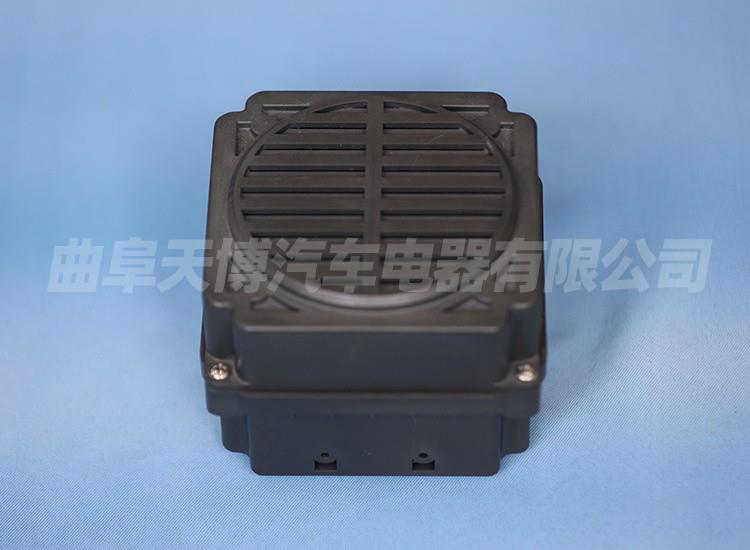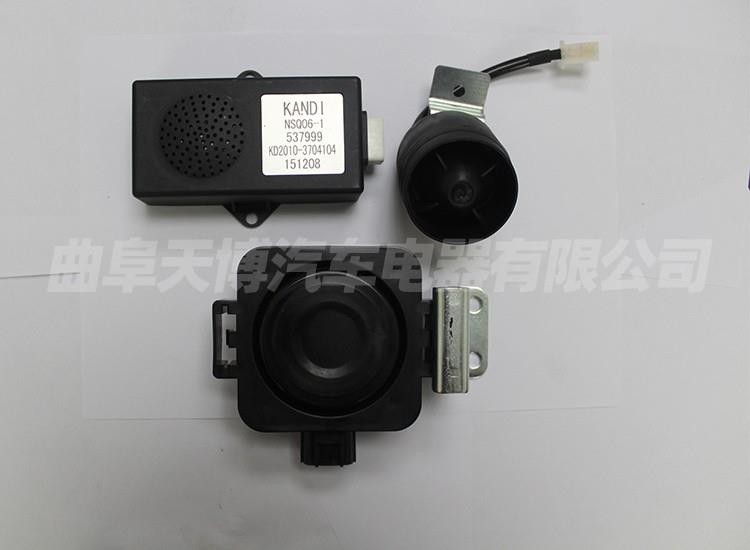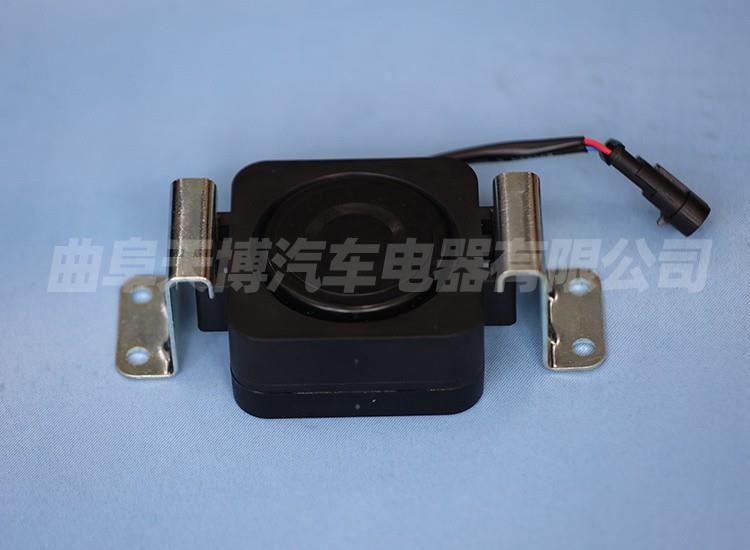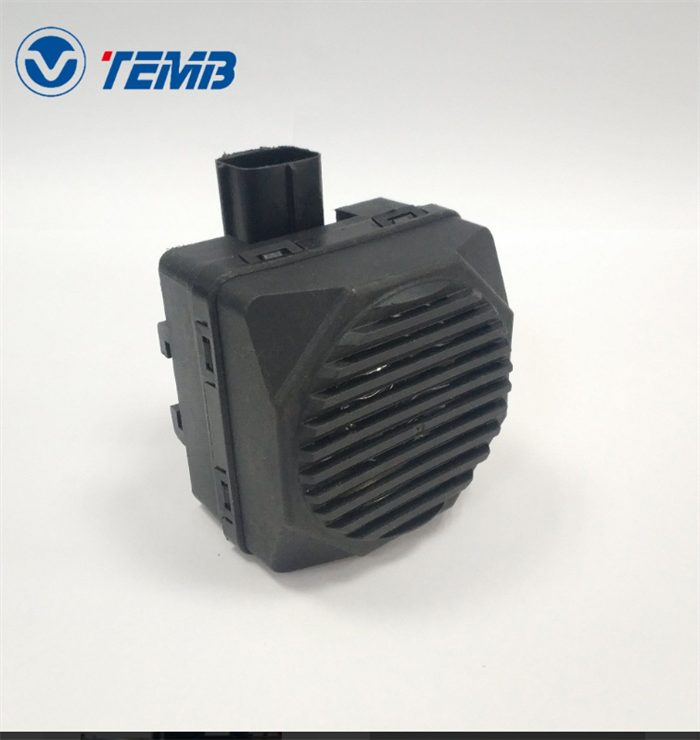

Sharing with you the troubleshooting methods for electronic snail speakers
Source of articles:www.tembdq.com
Release time:2026/1/4 14:20:25
Electronic snail speakers are a very common type of audio equipment in our daily lives. Their sound quality is relatively good and very smooth, so they are loved by most people. Sometimes we encounter some minor malfunctions when using this device. Today, the editor will take you to learn about the troubleshooting methods for these malfunctions. Do you know what we should pay attention to when using this device? Next, the editor will take you to learn about it together!
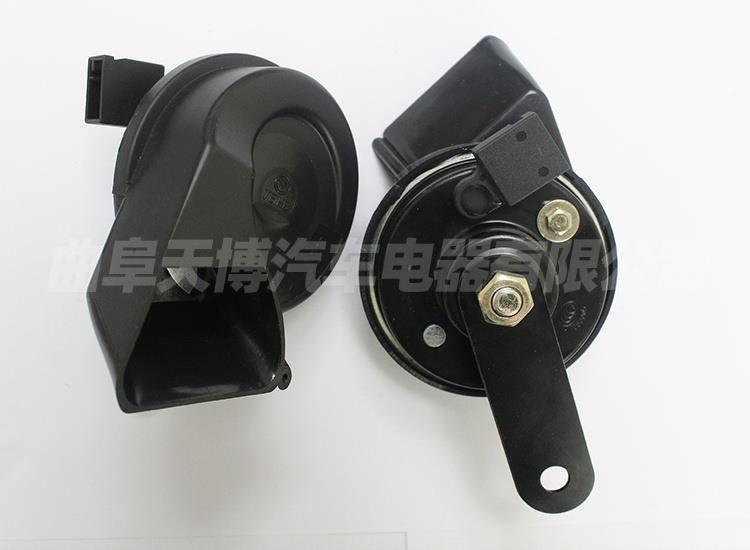
Remove moisture: Diagonal plastic shell horn: With the horn mouth facing downwards, shake horizontally (clockwise for the high pitched horn/counterclockwise for the low pitched horn), then forcefully shake down to remove moisture, or use an electric hair dryer to dry the moisture. Ensure that the moisture is removed before conducting the horn function test. To ensure that the moisture is completely removed, it is recommended to store for 48 hours before conducting a functional test. Straight mouth plastic shell horn: Place the plastic shell of the horn horizontally downwards, shake it horizontally (clockwise for the high pitched horn/counterclockwise for the low pitched horn), and then forcefully shake the water out with the horn facing downwards, or use an electric hair dryer to dry the water. Ensure that the moisture is removed before conducting the horn function test. To ensure that the moisture is completely removed, it is recommended to store for 48 hours before conducting a functional test.
Remove sediment: Slant mouth plastic shell horn: Place the horn mouth horizontally downwards, use a soft tool (such as iron wire, etc.) to slowly insert a clean towel or cotton cloth from the vocal opening, and determine the depth of the towel or cotton cloth insertion according to the depth of the mud and sand entering. Then slowly pull out the towel or cotton cloth, and then forcefully shake the mud and sand that has been wiped down with the horn. Repeat the above steps until the mud and sand inside the plastic shell sound channel are removed. Ensure that the mud and sand are completely removed before conducting a horn function test. Straight mouth plastic shell horn: Place the horn plastic shell horizontally downwards, following the same procedure as the slanted mouth plastic shell horn.
Line detection: Use a multimeter for detection, first adjust the multimeter range to DC 20V. Then connect the positive and negative terminals of the multimeter to the positive and negative terminals of the horn harness. Afterwards, press the horn switch according to the horn function detection method (on for 3-5 seconds, off for 3-5 seconds). Observing the multimeter display screen, if the voltage range during the circuit is between 10V and 15V and the voltage value is stable, it indicates that the circuit is normal. Otherwise, maintenance of the circuit is required.
The above is all the content shared by the editor today. I believe that after reading this article, you will have a deeper understanding of customized electronic snail speaker processing. If you have any further questions, you can log in to our official website to contact our staff, or leave a message directly on the website. Thank you for reading.