
How to quickly and effectively clean stains on the surface of curved springs
Source of articles:www.tembdq.com
Release time:2026/1/4 14:16:13
The method for washing surface stains on curved springs is to first remove dust and easily remove dirt with soap, weak detergent, or warm water. Labels and films should be washed with warm water or weak detergent. Adhesive components should be washed with alcohol or organic solutions. For fat, oil, and lubricant contamination, use a soft cloth or paper to dry and then use neutral detergent or ammonia solution or specialized cleaning agents to wash. Bleach and acid attachments should be immediately rinsed with water, soaked in ammonia or neutral carbonated soda water solution, and then washed with neutral detergent or warm water. Organic carbides should be attached and soaked in hot neutral detergent or ammonia solution, and then washed with detergent containing weak grinding. Fingerprints should be washed with alcohol or organic solvents.
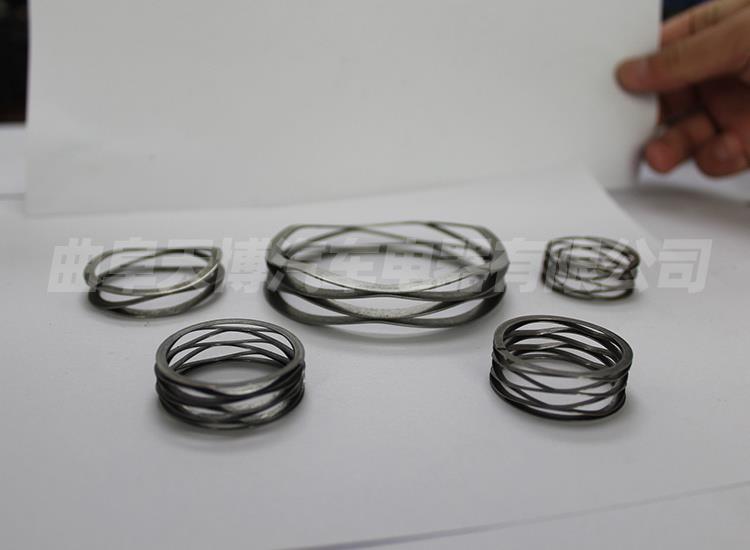
Wipe dry with a soft cloth and then wash with water. If there are too many rainbow patterns, use detergent or oil. When washing, use warm water neutral detergent. If welding changes color due to heat, use 10% nitric acid or hydrofluoric acid solution to wash, then neutralize with ammonia water and carbonated soda solution, and then wash the curved spring with water - specifically for cleaning drugs. Rust caused by surface pollutants should be washed with nitric acid or grinding detergent.
Although the oxide film on the surface of the spring can improve its corrosion resistance, its protective ability is poor due to its thin film and presence of pores, and it can only be used for springs working in media with low corrosiveness. In order to improve the corrosion resistance and lubrication ability of the spring surface, it is necessary to strengthen the treatment before and after oxidation treatment.
Before oxidation treatment, the rust, oil stains, and surface contact layer on the spring surface must be thoroughly removed. After oxidation treatment, the spring is usually filled with soap solution or dichromate, then washed, blown dry or dried with running warm water, and finally replaced with rust proof oil with a water film or soaked with mechanical oil at a certain temperature for oil treatment.
Finally, please note that when washing the curved spring, please be careful not to cause surface scratches and avoid using bleach and detergent containing abrasives, steel wire balls, grinding tools, etc. At the end of the washing process, customized shaped springs can be processed to remove the detergent by rinsing the surface with clean water. If you have any other questions or inquiries, please feel free to call our service hotline or leave a message online, and we will promptly solve them for you.